
Blog
Why Does Chocolate Make Us Happy? The Science Behind Your Favourite Mood Booster

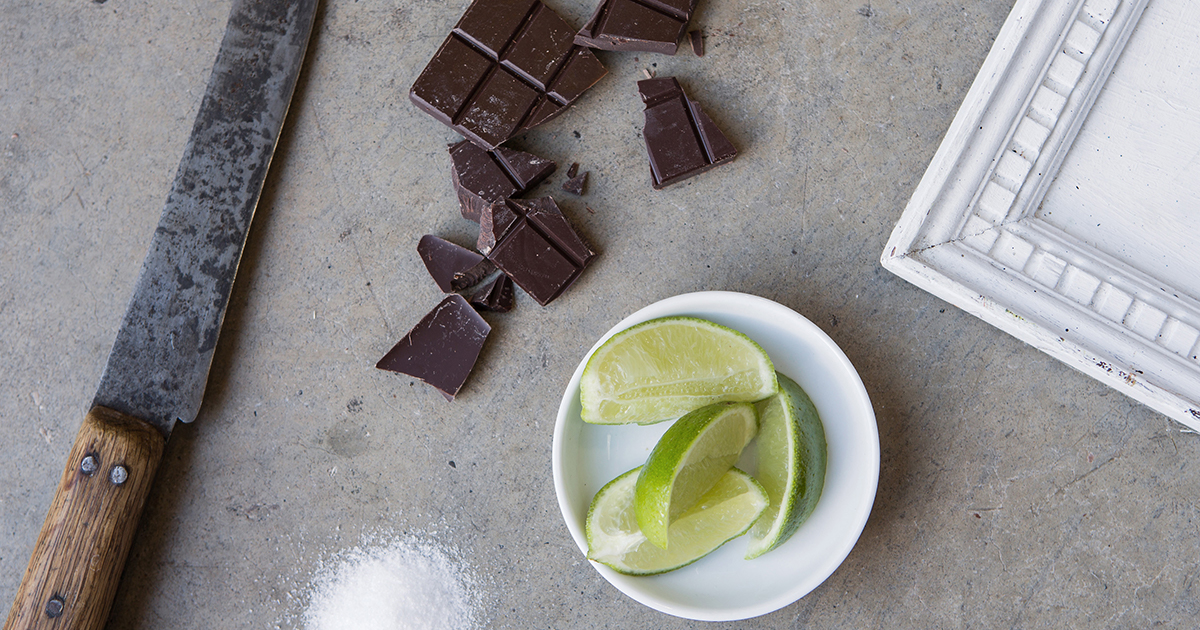
Ever reached for a piece of chocolate when you’re feeling a bit low? You’re not alone. For centuries, humans have turned to chocolate as a mood lifter, and now science is finally catching up with what chocolate lovers have always known – this delicious treat genuinely makes us happier.
But what exactly is happening in our bodies when we bite into that velvety square of chocolate? As it turns out, the answer is far more fascinating than simply “it tastes nice.” From brain chemistry to gut health, chocolate triggers a complex cascade of biological responses that genuinely affect our emotional state.
Let’s unwrap the science behind chocolate and happiness.
The Brain Chemistry of Chocolate
When you eat chocolate, your brain becomes a busy chemical factory, releasing multiple compounds associated with pleasure, happiness, and wellbeing. Here’s what’s happening behind the scenes:
Serotonin: The Happiness Neurotransmitter
Chocolate contains tryptophan, an essential amino acid that your body uses to produce serotonin – often called the “happiness hormone.” This neurotransmitter regulates mood, sleep, and appetite, and when serotonin levels are balanced, we tend to feel happier, calmer, and more content.
Interestingly, dark chocolate with higher cocoa content contains more tryptophan than milk chocolate, potentially offering greater mood-boosting benefits. While the amounts might be modest, they contribute to chocolate’s overall effect on our emotional state.
Endorphins: Nature’s Pain Relievers
When you indulge in chocolate, particularly dark chocolate with high cocoa content, compounds like phenylethylamine and anandamide interact with receptors in your brain, triggering the release of endorphins. These are the same feel-good chemicals released during exercise, explaining that sense of pleasure and wellbeing you experience.
Dopamine: The Reward Chemical
Cacao contains theobromine, an alkaloid that stimulates your central nervous system and promotes dopamine release. Dopamine is crucial for the brain’s reward system – when it’s released, it activates pleasure centres that make us feel good. This is why that first bite of chocolate feels so satisfying.
Anandamide: The Bliss Molecule
Chocolate contains anandamide, often called the “bliss molecule” due to its mood-enhancing properties. Anandamide binds to receptors in the brain responsible for regulating mood, appetite, and even pain perception. Even better, chocolate contains compounds that slow down the breakdown of anandamide, prolonging this blissful feeling.
Phenylethylamine: The Love Chemical
Chocolate contains phenylethylamine, a compound that acts as a neuromodulator and creates feelings similar to falling in love – increased alertness, elevated heart rate, and motivation. It also functions as a natural antidepressant, contributing to chocolate’s reputation as a mood lifter.
Magnesium: The Stress Reducer
Chocolate is a good source of magnesium, a mineral known to reduce stress and improve sleep. Magnesium helps ease anxiety symptoms by promoting relaxation and regulating the nervous system. In fact, magnesium deficiency has been linked to increased anxiety and stress sensitivity, making chocolate’s magnesium content particularly valuable.
The Gut-Brain Connection: A Revolutionary Discovery
Here’s where the science gets really exciting. Recent research has uncovered a fascinating connection between chocolate, gut health, and mood – one that might be even more important than the brain chemistry we’ve discussed.
Your Gut: The Second Brain
Groundbreaking research published in 2021-2022 found that consuming 30 grams of 85% dark chocolate daily for three weeks significantly improved mood whilst also increasing gut microbial diversity. This suggests chocolate works through multiple pathways to boost happiness.
The Prebiotic Power of Dark Chocolate
When you eat high-cocoa chocolate, the polyphenols and fibre-like compounds aren’t fully digested in your stomach. Instead, they travel to your colon, where gut bacteria ferment them, producing short-chain fatty acids like butyrate and propionate. These compounds help maintain your gut lining, reduce inflammation, and act as messengers in the gut-brain axis – the two-way communication line between your intestines and brain.
The Beneficial Bacteria Boost
Studies show that dark chocolate consumption increases levels of beneficial gut bacteria, particularly Blautia obeum. This bacterium has been positively associated with improved mood, whilst lower levels have been observed in individuals with depression, autism, and schizophrenia.
Dark chocolate can also increase other beneficial gut bacteria like Lactobacillus and Bifidobacterium, which are known for boosting mood, reducing anxiety, and supporting immunity.
The 90% Rule
Here’s a mind-blowing fact: approximately 90% of your body’s serotonin is actually produced in your gut, not your brain. This means that by improving your gut health with dark chocolate, you’re potentially enhancing your body’s natural ability to produce happiness-boosting serotonin.
The Psychology of Chocolate
Beyond the fascinating biochemistry, there’s also a psychological dimension to chocolate and happiness.
Cultural Conditioning
Over decades, media and popular culture have portrayed chocolate as the ultimate comfort food—the cure for a broken heart, the reward after a difficult day, the celebration of good news. This repeated association may create a psychological effect where eating chocolate makes us happy simply because we’re convinced of its benefits.
The Sensory Experience
Chocolate provides an experience that activates all our senses: its visual appeal, its distinctive aroma, its rich taste, the satisfying snap when we bite into it, and the smooth sensation as it melts in our mouths. This multi-sensory pleasure contributes significantly to the happiness we associate with chocolate.
The Ritual and Reward
For many of us, eating chocolate is a small ritual – a moment of self-care, a pause in a busy day, or a well-deserved treat. These psychological associations amplify the positive feelings we experience.
Not All Chocolate Is Created Equal
If you want to maximise chocolate’s mood-boosting benefits, choosing the right type matters significantly.
Dark Chocolate Is King
Research specifically found that 85% dark chocolate significantly reduced negative emotions, whilst 70% dark chocolate showed no significant mood improvements. The higher cocoa content appears to be crucial for delivering psychological benefits.
For optimal mood-boosting effects, choose dark chocolate with at least 70% cacao, though 85% or higher offers the most concentrated beneficial compounds.
Quality Over Quantity
Studies suggest that around 10-30 grams of dark chocolate per day – roughly one or two small squares – is enough to derive microbiome and mood benefits without overloading on calories, fat, or caffeine.
When selecting chocolate, look for:
- High cocoa content (70% minimum, 85%+ ideal)
- Quality ingredients with minimal additives
- Lower sugar content typical of darker varieties
- Ethical sourcing to feel good about your choice
Timing Matters
Interestingly, when you eat chocolate might also matter. Consuming it mid-morning or early afternoon appears optimal, as eating sugar-rich foods too close to bedtime can disrupt your circadian gut rhythm and affect microbial activity.
The Sweet Spot: Moderation Is Key
Whilst the science supporting chocolate’s mood-boosting properties is compelling, moderation remains important. Excessive chocolate consumption can lead to sugar crashes, weight gain, and other health issues that counteract the benefits.
The good news? You don’t need large amounts to experience the positive effects. A small daily portion of quality dark chocolate can contribute to both your happiness and your health when enjoyed as part of a balanced lifestyle.
The Bottom Line
The science is clear: chocolate genuinely does make us happier, and it works through multiple fascinating mechanisms:
- Brain chemistry: Triggering the release of serotonin, dopamine, endorphins, and anandamide
- Gut health: Acting as a prebiotic that increases beneficial bacteria
- The gut-brain axis: Improving mood through enhanced microbial diversity
- Nutritional benefits: Providing magnesium and other mood-supporting compounds
- Psychological factors: Fulfilling our cultural and sensory associations with pleasure
So the next time someone questions your chocolate habit, you can confidently explain that you’re not just indulging, rather you’re supporting your gut microbiome, boosting your serotonin production, and engaging in scientifically-backed mood enhancement! Now that sounds good doesn’t it 🙂
Just remember to choose quality dark chocolate with high cocoa content, enjoy it in moderation, and savour every mood-boosting moment. Your brain, your gut, and your happiness will thank you.
Shop Our Chocolate Collection
At Choc Affair, we’re passionate about creating chocolate that not only tastes exceptional but is also made with quality ingredients and ethical practices. Explore our range of premium chocolate products, crafted with care to bring joy to every moment.
Discover our full chocolate collection
Sources:This article is based on peer-reviewed scientific research from leading journals including the Journal of Nutritional Biochemistry, Scientific Reports, Nutrients, and British Journal of Clinical Pharmacology. Key studies include research on dark chocolate’s effects on mood and gut microbiome (Shin et al., 2022), chocolate compounds and mental health (Garbarino et al., 2022), and the gut-brain axis connection (Kim et al., 2020).”
