Blog
How to Store Chocolate in Warm Weather

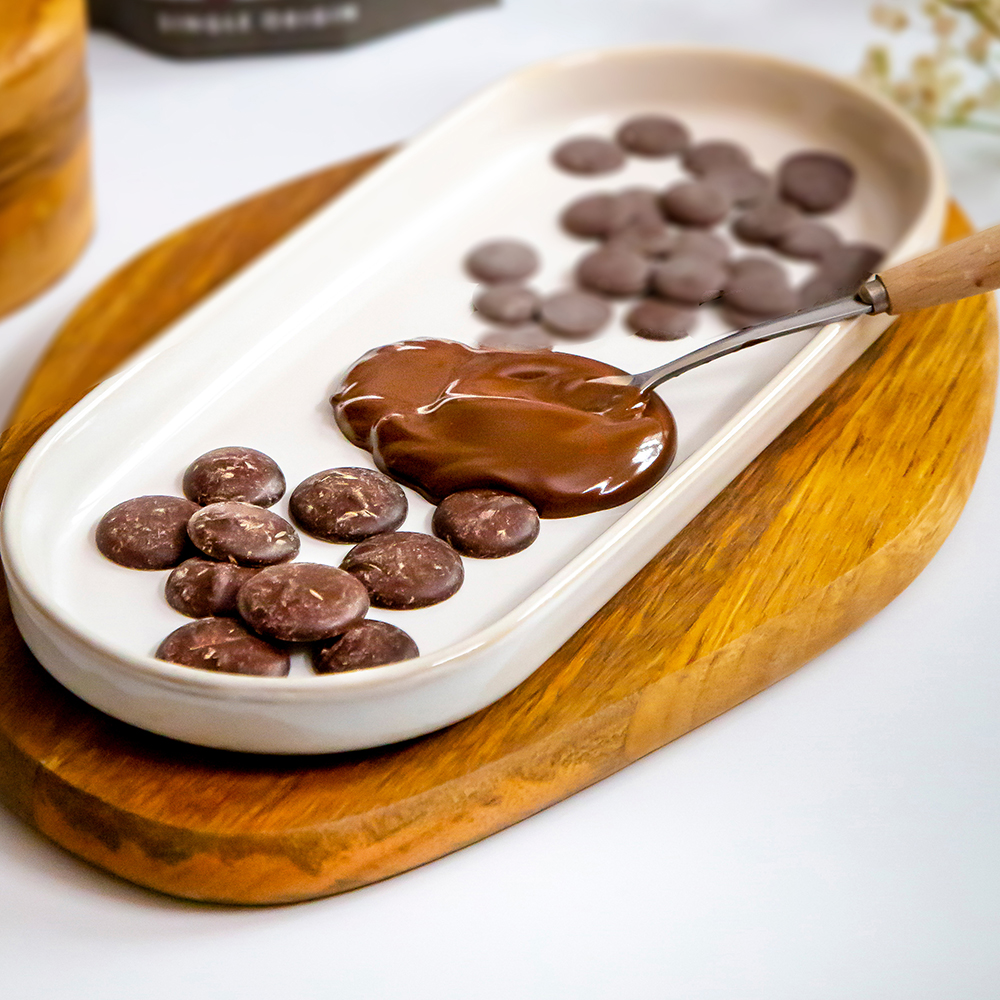
With the current warm spell, here’s how to keep your chocolate at its best, even when temperatures rise.
Good news: the sun is here. Slightly complicated news: your chocolate has feelings about that. 🍫☀️
Warmer weather is brilliant for almost everything – just not, it has to be said, for a bar of fine chocolate left somewhere warm. Whether you’ve picked one up for yourself or received a gift, a little warmth goes a long way when cocoa butter is involved.
The good news? Keeping your chocolate in near to perfect condition is easier than you think.
Should You Store Chocolate in the Fridge?
This is the question that comes up every summer.
The short answer? Avoid storing chocolate in the fridge if you can. While it might seem like the safest place, a fridge is actually not ideal for chocolate.
Why the Fridge Isn’t Always Your Friend
Moisture Can Affect the Finish
Fridges are cold and damp environments. When chocolate is taken out into warmer air, condensation can form on the surface. This can lead to sugar bloom – where sugar rises to the surface and leaves a pale, dusty appearance.
It’s completely safe to eat, but it can:
- Affect the texture
- Reduce the visual appeal
- Slightly impact the overall taste experience
Chocolate Absorbs Surrounding Flavours
Chocolate is surprisingly sensitive to its environment. Stored in a fridge, it can absorb strong smells from nearby foods such as:
- Onions
- Cheese
- Garlic
- Cooked meals
Which can lead to some unexpected flavour combinations!
So, Where Should You Store Chocolate?
The best place to store chocolate is:
- Cool (ideally between 12–18°C)
- Dry
- Away from direct light
A cupboard or pantry is usually perfect.
If possible:
- Keep chocolate in its original packaging
- Store it in an airtight container to protect it from odours
When stored properly, chocolate melts slowly and evenly in your mouth – releasing all of its flavour as intended.
What Happens If Chocolate Gets Too Warm?

When chocolate is exposed to higher temperatures, the cocoa butter inside it can begin to soften and separate.
This can lead to fat bloom, which appears as:
- Pale streaks
- White or grey patches
Again, it’s safe to eat, but it can:
- Change the texture
- Make the chocolate feel less smooth and more gritty.
- Affect the overall experience
What Is Sugar Bloom?
Sugar bloom is the other type of bloom you might occasionally notice, and it looks slightly different to fat bloom. Rather than streaks or patches, sugar bloom tends to appear as a rough, powdery or grainy white coating on the surface of the chocolate.
It happens when moisture comes into contact with the chocolate. The moisture dissolves a small amount of sugar on the surface, and when it evaporates, that sugar re-crystallises, leaving behind the pale, dusty appearance.
Common causes include:
- Storing chocolate in the fridge and then bringing it out into warmer air
- Humid environments or storage areas with poor ventilation
- Wrapping chocolate while it is still slightly warm
Like fat bloom, sugar bloom is completely safe to eat. It may affect the texture slightly as the surface can feel a little less smooth, but the flavour remains largely unaffected.
The best way to avoid sugar bloom is to keep chocolate away from moisture and sudden temperature changes. If you do need to use the fridge, always store chocolate in an airtight container and allow it to return to room temperature gradually before unwrapping it.
A Note on Buying Chocolate During Warm Weather
During particularly warm spells, even the best storage practices can be challenging – not just at home, but in shops too.
Retailers work hard to keep chocolate in the right conditions, but when temperatures rise significantly, it isn’t always possible to maintain a perfectly cool environment throughout the day. This means that, occasionally, chocolate may already show signs of bloom before it even reaches your kitchen.
If you unwrap a bar and notice a pale or slightly streaky appearance, this can be a little disappointing, especially when you’re looking forward to that first bite. The good news is that bloom is completely safe to eat, and the chocolate will still deliver flavour, even if the texture or appearance isn’t quite as intended.
It’s simply one of the realities of chocolate being a natural, temperature-sensitive product, particularly during warmer weather.
To give your chocolate the best chance of staying at its best, try to store it somewhere cool as soon as you get home.
What If Your House Is Too Warm
During particularly hot spells, cupboards may not stay cool enough.
If that happens:
- Choose the coolest room in your home (often north-facing)
- Store chocolate at the back of a cupboard, away from heat
- Keep it in an airtight container for extra protection
The key is consistency: chocolate doesn’t respond well to frequent temperature changes.
When the Fridge Is the Only Option
If temperatures are very high and you have no alternative, the fridge can be used (but carefully).
If you do:
- Place chocolate in an airtight container
- Keep it away from strong-smelling foods
- Allow it to return gradually to room temperature before eating
This helps reduce moisture and flavour transfer.
A Final Tip: Enjoy It at the Right Temperature
Chocolate tastes best when enjoyed at room temperature. This allows it to melt slowly on the palate, releasing its full flavour and texture.
So if your chocolate has been stored somewhere cool, let it sit out for a short time before enjoying.
FAQ
Is bloomed chocolate safe to eat?
Yes – both sugar bloom and fat bloom are completely safe. They may affect the appearance and texture slightly, but the chocolate is still perfectly fine to enjoy.
Why does my chocolate look white or streaky?
This is usually caused by temperature changes or moisture. Either sugar or cocoa butter rises to the surface, creating a pale or streaky finish.
What is sugar bloom and how is it different to fat bloom?
Sugar bloom appears as a rough, powdery or grainy white coating on the surface of chocolate. It happens when moisture comes into contact with the chocolate – most commonly from refrigeration, condensation or a humid environment. Fat bloom, by contrast, tends to look smoother and streakier, and is caused by temperature change rather than moisture. Both are completely harmless and safe to eat.
Can I fix bloomed chocolate?
While you can’t reverse bloom visually, the chocolate can still be used for eating, baking or melting into recipes where appearance doesn’t matter.
Should I always avoid the fridge?
If possible, yes. A cool cupboard is best. However, in very hot weather, the fridge can be used as a last resort. Just make sure the chocolate is stored in an airtight container.
What temperature is best for storing chocolate?
Ideally between 12–18°C, in a dry, dark place with minimal temperature fluctuation.
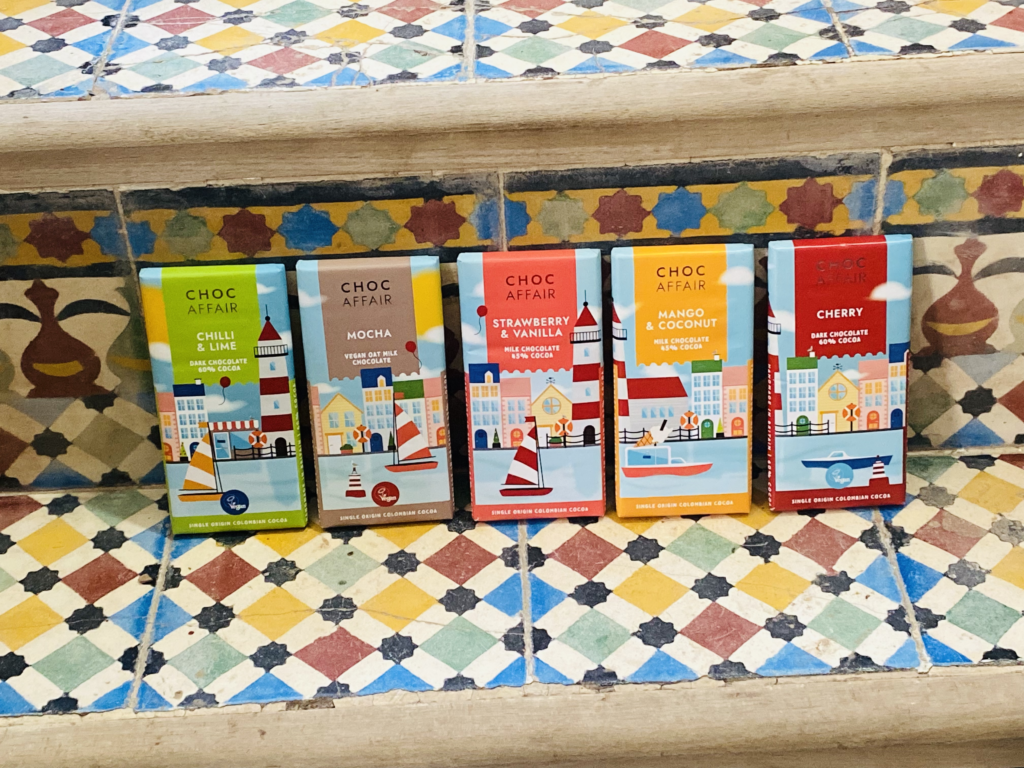
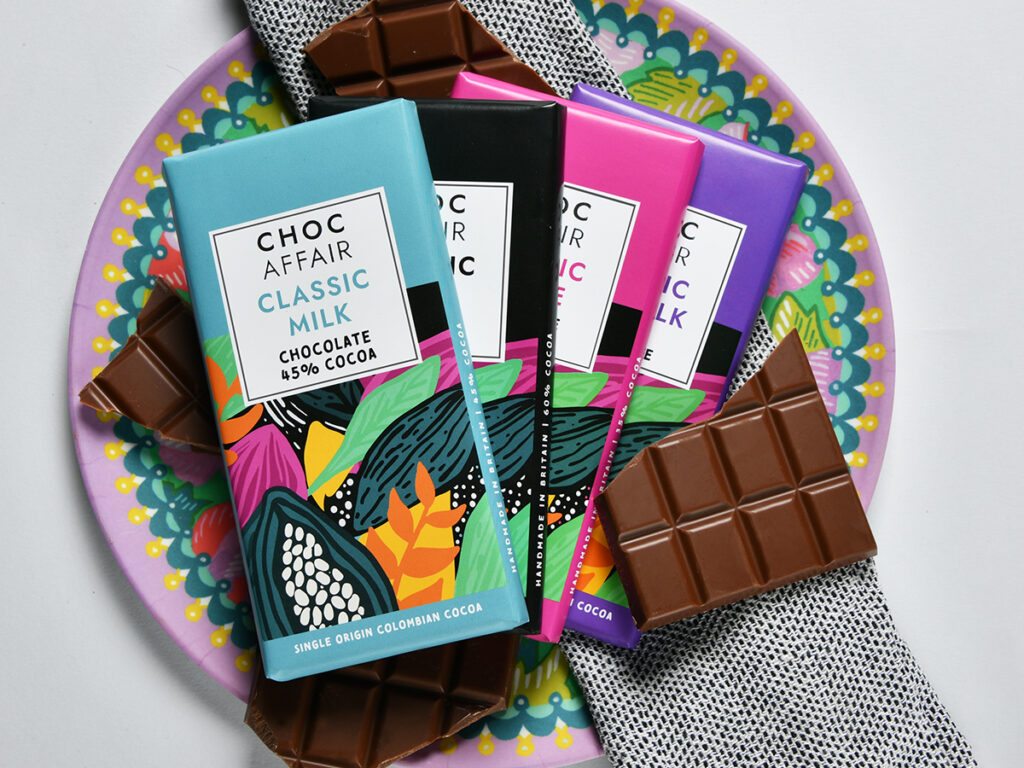
Explore our chocolate range for bars crafted to be enjoyed at their best, whatever the weather 😊